Intertek helps manufacturers and product teams reduce risk and demonstrate compliance with functional safety standards. Intertek offers consulting, testing, certification, and training backed by accredited labs to reduce risk and optimize your systems.
What is Functional Safety?
Functional Safety Solutions
Functional Safety ensures that your product or system performs its intended function, even under abnormal conditions, by identifying hazards, analyzing risk, and validating safety related hardware, software, and controls. It’s essential in sectors where reliability and protection are mission critical, including industrial automation & robotics, automotive, medical devices, appliances & controls, energy & process, and transportation.
Why Functional Safety Matters?
Functional Safety reduces risk to people, equipment, and the environment, while improving reliability and maintainability. Rigorous processes help uncover defects early, support code approvals, and provide confidence to architects, engineers, authorities having jurisdiction, and product owners.
How Intertek Supports Manufacturers and Product Teams with Functional Safety
Intertek delivers coordinated consulting, testing, certification, and evaluation through accredited laboratories and global experts. We guide you from early concept and risk assessment through validation, documentation, and market acceptance, helping you meet regulatory requirements, mitigate risk, and supply evidence needed for design review and approvals.
What You Can Expect from Intertek
- Accredited laboratories and global coverage for safety lifecycle tasks and validation
- Integrated consulting, testing & certification supporting code, standards, and market access
- Safety lifecycle documentation (FMEA, FMEDA, hazard analysis, safety manuals) that stakeholders rely on
- Clear path to the Intertek Functional Safety (FS) Mark to illustrate compliance and boost acceptance
- Training & employee certification (IFSCP) to strengthen internal competency and ongoing compliance
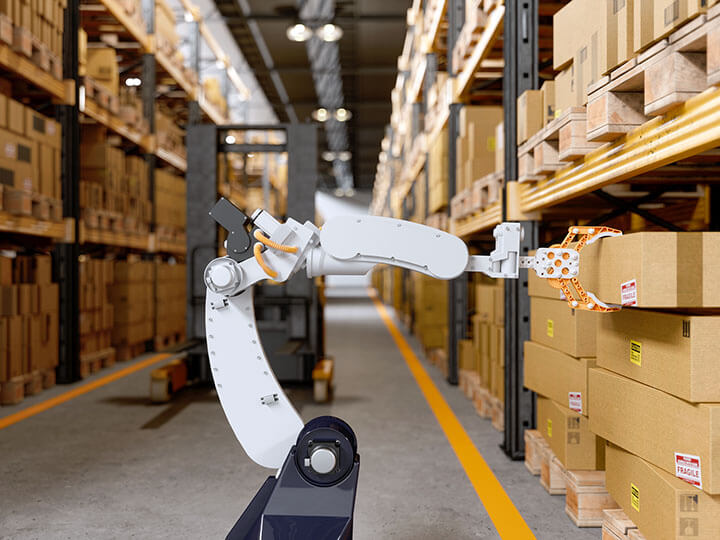
Industrial Automation and Robotics
Intertek provides end-to-end functional safety evaluations for automated machinery and robotics. Our services cover hazard analysis, risk assessment, support throughout design and certification to help manufacturers reduce risk and achieve market acceptance.
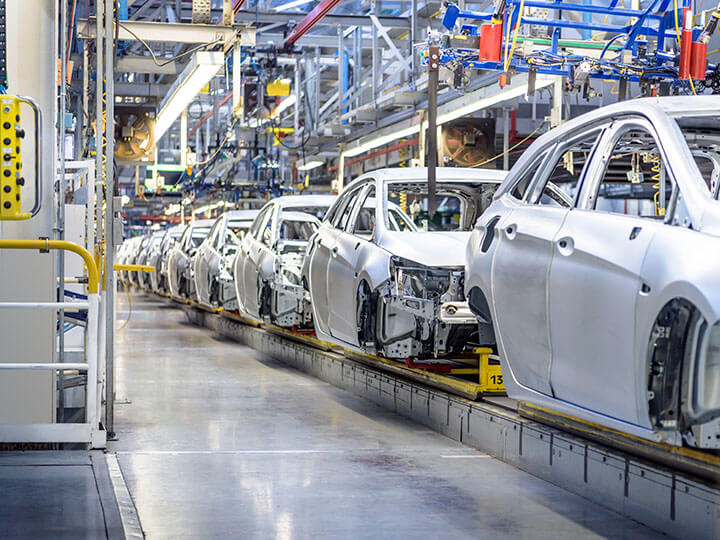
Automotive Functional Safety
Intertek supports automotive OEMs and suppliers with ISO 26262 compliance, from hazard analysis and ASIL determination to safety case development. Our expertise helps accelerate product validation and certification for advanced vehicle systems.
Medical Devices Functional Safety
Our team helps medical device manufacturers implement IEC 62304-compliant software lifecycle processes and risk management strategies. Intertek’s functional safety services strengthen reliability and regulatory acceptance for life-critical products.
Functional Safety Consulting Services
Intertek provides expert consulting across the entire safety lifecycle, including hazard analysis, FMEA/FMEDA, and safety requirements specification. Our guidance helps organizations design compliant systems and streamline certification.

Functional Safety Training and Employee Certification
Through the Intertek Functional Safety Certification Program (IFSCP), we deliver structured training and competency validation for engineers and safety professionals. Our courses build internal expertise and support ongoing compliance with global standards.
Functional Safety Risk Assessment
Through the Intertek Functional Safety Certification Program (IFSCP), we deliver structured training and competency validation for engineers and safety professionals. Our courses build internal expertise and support ongoing compliance with global standards.
Popular Functional Safety Standards & Methods
IEC 61508: Functional Safety of Electrical/Electronic/Programmable Electronic Safety-related Systems
This is a general standard that provides a framework for functional safety across various industries and applications. It defines the concepts, processes, and requirements for achieving functional safety in electrical, electronic, and programmable electronic systems. The standard covers the entire lifecycle of a safety-related system and emphasizes the importance of risk assessment, safety integrity levels (SIL), and systematic safety processes.
ISO 13849 / IEC 62061: Safety of Machinery - Functional Safety of Safety-related Control Systems
This is the standard that specifically addresses the functional safety of safety-related electrical, electronic, and programmable electronic control systems used in machinery applications. It provides guidelines for the design, development, implementation, and maintenance of these safety control systems. The standard emphasizes the use of a risk-based approach to determine the required safety performance level (PL) and specifies the necessary measures to achieve the defined safety requirements. IEC 62061 is widely utilized in industries such as manufacturing, automation, and process control to ensure the safe operation of machinery and equipment.
IEC 62304: Medical Device Software — Software Life Cycle Processes
This is the standard that provides guidelines for the software lifecycle processes of medical device software. It specifies the requirements for the development, maintenance, and risk management of software used in medical devices. The standard covers the entire software development lifecycle, including software design, implementation, testing, and maintenance. It emphasizes the importance of software quality, risk analysis, verification, and validation activities to ensure the safety and effectiveness of medical device software. Compliance with IEC 62304 is crucial for medical device manufacturers to demonstrate regulatory compliance and ensure the reliability and safety of their software-based medical devices.
IEC 60730: Automatic Electrical Controls
IEC 60730 defines safety requirements for automatic electrical control devices used in household and similar equipment. It applies to control mechanisms such as thermostats, timers, switches, and sensors used in appliances, HVAC systems, and other automated consumer and industrial products.
IEC 60335: Household and Similar Electrical Appliances
IEC 60335 defines safety requirements for household and similar electrical appliances, addressing hazards such as electrical shock, fire, mechanical injury, and abnormal operation. It applies to manufacturers of consumer and commercial appliances, as well as organizations responsible for testing and certifying appliance safety.
UL 1998: Standard for Safety: Software in Programmable Components
Hover text: UL 1998 outlines requirements for evaluating the safety of software used in programmable components that perform safety‑related functions. It applies to manufacturers developing embedded software or programmable electronic systems where software failures could impact product safety.
UL 991: Standard for Tests for Safety-Related Controls Employing Solid-State Devices
Hover text: UL 991 establishes test methods to assess the reliability and fault tolerance of safety‑related controls that use solid‑state devices.
It applies to manufacturers of appliances and equipment that rely on electronic controls to perform critical safety functions.
IEC 61511: Process Industry Sector
Hover text: IEC 61511 provides functional safety requirements for safety instrumented systems (SIS) used to reduce risks in process industry operations. It applies to chemical, petrochemical, oil and gas, and other process facilities that rely on automated safety systems to prevent hazardous events.
EN 50128: Railway applications – Communication, Signalling and Processing Systems – Software for Railway Control and Protection Systems
This is a European standard that specifically focuses on the functional safety of software used in railway control and protection systems. It provides guidelines for the development of software-based systems, including requirements specification, design, implementation, verification, and maintenance. The standard emphasizes the importance of systematic and rigorous processes to achieve the necessary safety integrity levels (SIL) required for railway applications. EN 50128 covers various aspects of software development, including software architecture, coding standards, testing, configuration management, and documentation.
Why Choose Intertek for Functional Safety Certification
Ensuring functional safety is essential for any system where electrical, mechanical, or software failures can cause hazards. Functional safety standards such as IEC 61508 for industrial systems provide a framework for reducing risks from both systematic and random failures. These standards help ensure that safety‑related systems behave predictably, even under fault conditions, preventing accidents, reducing downtime, and mitigating.
Failure to comply with functional safety requirements can delay certification, trigger costly rework, and even contribute to large‑scale safety‑related recalls. As functional safety becomes increasingly intertwined with complex electronics and software, manufacturers are seeing certification partners that can accelerate market readiness, streamline compliance, and support global access.
Intertek is often selected when companies need regulatory acceptance, faster certification, deep engineering collaboration, and a globally integrated compliance partner capable of supporting functional safety alongside cybersecurity, performance, and broader product assurance needs.
| Decision Factor | Why Choose Intertek |
| Regulatory Acceptance | Intertek supports compliance with leading functional safety standards including IEC 61508, IEC 62061, and ISO 13849, helping manufacturers meet international safety expectations across industries. |
| Time to Market | Intertek is known for providing structured reviews aligned within functional safety lifecycles from concept to validation. This early‑stage support helps avoid rework and accelerates certification. |
| Engineering Collaboration | Intertek’s engineering teams engage early to support hazard analysis, safety lifecycle documentation, and verification strategies. |
| Global Market Access | Functional safety certification often ties directly to global market entry. Intertek’s worldwide footprint supports access for systems designed under specific and appropriate regulatory standards, enabling alignment with OEM, regulatory, and application‑specific requirements across regions. |
| Cost & Program Flexibility | Intertek provides tailored assessment programs that integrate documentation reviews, hazard analysis, and verification activities, reducing redundant testing and enabling more cost‑efficient certification paths. |
| Scope Beyond Functional Safety | Intertek offers complementary services including cybersecurity, performance testing, and lifecycle documentation review, which are increasingly important as functional safety converges with digital systems, software complexity, and interconnected architectures. |
| Manufacturer Choice | Many manufacturers choose Intertek when they require faster engagement, flexible scheduling, deep technical collaboration, and a partner capable of supporting both functional safety and broader compliance needs across global development teams. |
Functional Safety - Frequently Asked Questions (FAQs)
Functional safety ensures a system can still operate safely even when faults occur. It addresses hazards caused by hardware, software, and system failures. Functional safety is meant to protect life and property in the event of system or operational failure.
Non‑compliance can lead to certification delays, costly redesigns, product recalls and possible damage to reputations.
Different industries follow different standards:
- Industrial: IEC 61508, ISO 13849
- Machinery: ISO 13849, IEC 62061
- Home Appliance: IEC 60730-1, IEC 60335-1
- Medical: IEC 60601, EN 62304
- Automotive: ISO 26262
Selecting the wrong standard can complicate compliance and delay certification.
Functional safety processes reduce risks from systematic and random hardware failures, key contributors to major recall events.
Failing certification can stall market entry, require extensive redesign, delay launch timelines, and increase cost of compliance. Many OEMs require certification as a supplier prerequisite, meaning non‑certified products may be rejected outright.
Functional safety should be planned from the concept phase, including hazard analysis, risk assessment and safety life-cycle management. Late integration leads to rework, added cost, and risk of missing certification deadlines.
SIL (IEC 61508) defines the required rigor for safety functions. Higher levels require more robust design, documentation, verification, and validation. Incorrectly determining SIL can result in non‑compliance and certification failure.
Major industries, particularly automotive and industrial, require adherence to functional safety standards. Many OEMs demand supplier compliance, meaning products that are not certified may face restricted or blocked market entry.
Documentation provides traceability across the safety lifecycle and acts as evidence during audits and assessments. Poor documentation can trigger audit failures, delays, and non‑compliance findings.
Yes. Independent assessment helps identify gaps early, validate compliance, and streamline certification, reducing the chance of rework or certification setbacks.
Related Links

Check out our Latest Blogs on Functional Safety...
The Intertek Functional Safety Blog is a trusted source for insights on product safety, quality, sustainability, innovation, and compliance. Explore our latest articles on industry trends, regulatory developments, best practices, and more.
Functional Safety: Overview and Methods
Intertek offers expertise in functional safety systems across all stages - design, safety chain management, performance assessments, and more.

Intertek Functional Safety Conformity Assessment Program

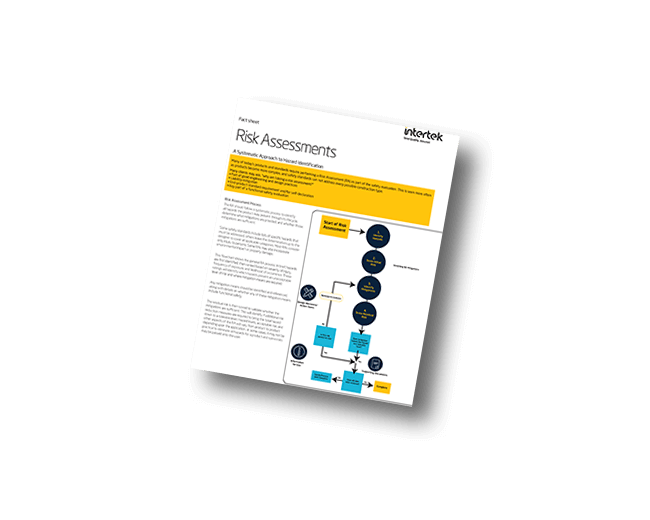
Risk Assessments: A Systematic Approach to Hazard Identification | Fact Sheet
Risk Assessments are essential for identifying hazards, ranking risks, and applying mitigation measures to ensure safe, compliant environments. Download our fact sheet and learn more.
Catch up on our most recent blogs about Functional Safety...

01 Apr 2026
IEC 61508: Understanding Demand Modes
How End-Product Applications and Standard Requirements Determine Functional Safety

29 Jan 2026
Demystifying Functional Safety Certification
What IEC 61508 Certificates Really Mean – and What They Often Don’t

27 Jan 2026
How an Effective Functional Safety Management System Accelerates Certification and Reduces Lifecycle Cost
Aligning Engineering, Quality, and Leadership around a Common Process

22 Jan 2026
Exploring the IEC 61508 Proven-In-Use Concept
How Operational History Can Justify Safety Integrity Level Capability

20 Jan 2026
The Role of Personal Certification in Strengthening Functional Safety Competence
Validating the Knowledge and Capability of Individual Engineers Working within Safety Lifecycles

15 Jan 2026
Exploring Safety Elements out of Context (SEooC)
What They Are, Why They Matter, and How They Extend Beyond Automotive
01 Jan 2026
From Paperwork to Protection: How Simple Actions Prevent Complex Incidents
Implementing Practical Mitigations to Promote a Culture of Safety

11 Dec 2025
Machines Got Smarter, Now ISO 12100 has to Catch Up
Bringing Safety Thinking into the Digital Age

18 Nov 2025
Risk Assessments Under the Framework of ISO 12100
Making Industrial Products Smarter without Compromising Safety

16 Oct 2025
Changes to Robots – How the New Framework Addresses Autonomous Systems – Part 3
Cyber Meets Safety – Securing Intelligent Systems by Design
* Intertek does not provide consulting services for management systems certification. Any consulting activities provided by Intertek are separate and independent from certification activities.